For property owners across Kent, Bricklayers in Kent should offer more than neatly laid bricks. They should understand how foundations, levels, drainage, materials and finishes work together to create a durable result. Whether you are improving a family home, preparing a development plot or repairing a boundary wall, skilled brickwork provides the structural strength and appearance your project depends on.
L Griffith Brickwork is a family-run specialist with more than 20 years of experience supporting domestic and commercial clients. The team undertakes projects of varied sizes, from practical garden walls and patios to extensions, new builds and substructure work. A clear scope, careful preparation and transparent pricing help customers make confident decisions before work starts.
Choosing Bricklayers in Kent for Your Project
The right contractor will begin by discussing what you need the finished structure to achieve. A garden wall may need privacy, security or retained soil; an extension must integrate with the existing property; and a new build needs accurate setting out from the outset. This early conversation helps identify the right construction method, brick type, access arrangements and likely timescale.
Ask for a detailed quotation that separates the main stages of work. It should make clear what is included for excavation, footings, materials, waste removal, scaffolding where needed and finishing details. This reduces the risk of assumptions causing delays or unexpected costs. It is also sensible to discuss how changes will be agreed if ground conditions or design requirements differ from the original plan.
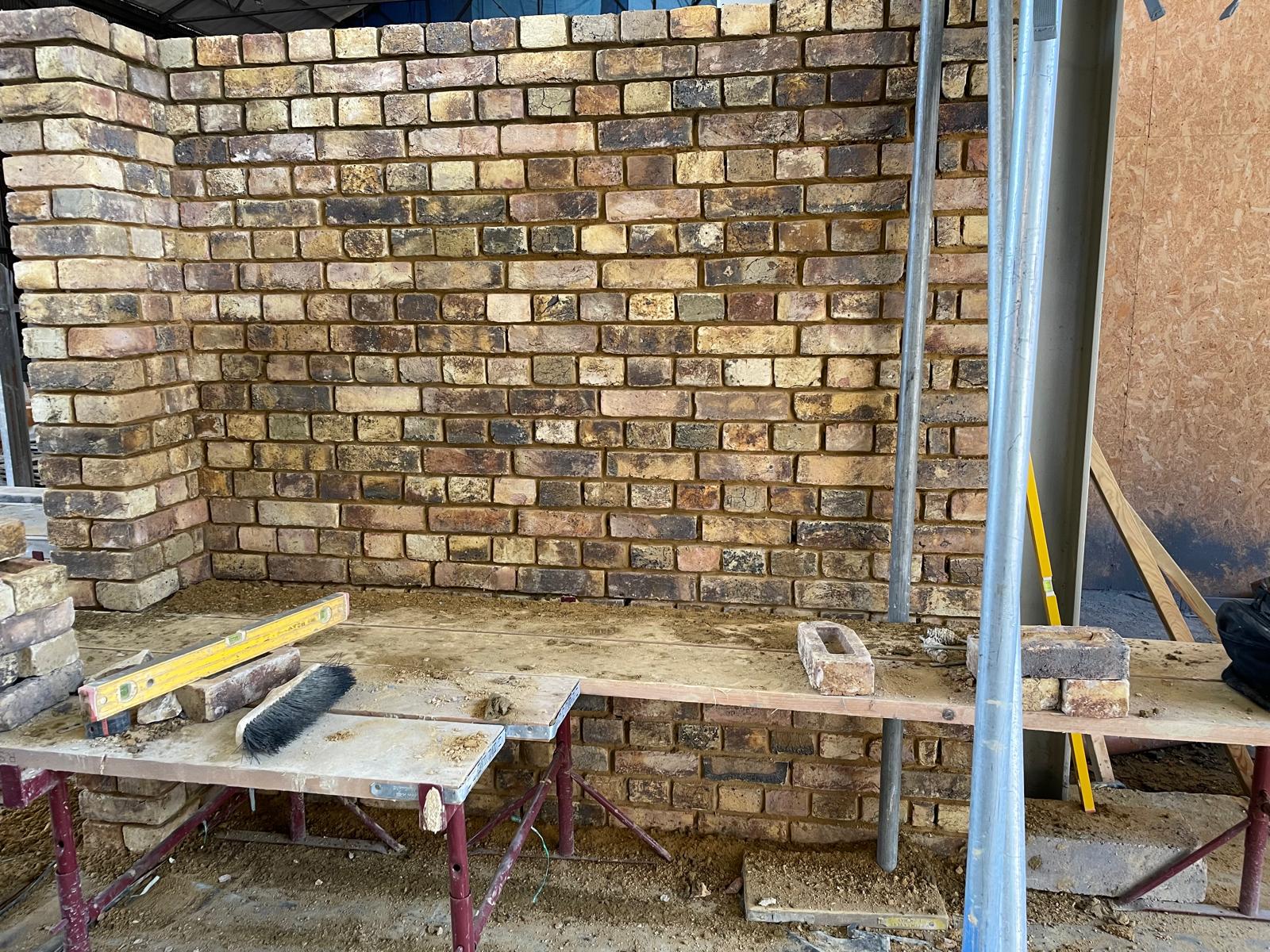
Experience with local properties matters because older homes, modern estates and rural plots can present very different challenges. Matching facing bricks is often particularly important on extensions and repairs. Samples can look different once laid, as mortar colour, brick texture and weathering all affect the final appearance. Viewing a small sample panel before a large area is built can prevent an expensive mismatch.
Bricklayers in Kent for Extensions, New Builds and Walls
House extensions need precise junctions between old and new work. Brickwork must be properly tied into the structure, openings must be accurately formed for doors and windows, and courses should align attractively with the existing building wherever practical. Good planning also allows for insulation, cavity trays, damp protection and service routes before the walls rise.
For new builds, the quality of the work below ground is just as significant as the visible finish. Setting out establishes the building position and dimensions, while foundations and substructure work provide a stable base for everything above. The requirements for a particular site can depend on soil conditions, nearby trees, drainage and the structural design, so a thorough approach at this stage protects the project later on.
Garden walls are sometimes treated as simple jobs, but they still need suitable footings and sound drainage considerations. A wall retaining soil faces additional pressure from water and ground movement, meaning its design should not be guessed. Where a wall is structural, unusually high or retaining land, obtain the appropriate design advice before construction. This is a sensible safeguard for both safety and long-term performance.
Bricklayers in Kent and the Importance of Safe Site Preparation
A tidy, planned site makes brickwork more efficient and less disruptive. Access for deliveries, storage for bricks and sand, protection for existing surfaces, and a sensible route for removing waste should all be considered before the first excavation. If work is close to neighbours, agreeing practical details such as working hours, access and boundary protection early can maintain good relations throughout the build.
Work at height also requires proper controls. The HSE guidance on the Work at Height Regulations 2005 explains that work at height must be properly planned, supervised and carried out by competent people. For customers, this means a contractor should assess whether scaffolding or another suitable access arrangement is needed rather than relying on improvised methods.
Weather is another less obvious factor. Fresh mortar needs protection from heavy rain, frost and excessively rapid drying in hot conditions. Rushing through unsuitable weather can weaken joints or spoil the finish. A dependable programme allows for these conditions and explains any necessary adjustments, instead of treating every delay as an inconvenience.
Planning Materials, Finish and Budget
Materials influence both the look and service life of brickwork. Reclaimed, handmade, engineering and facing bricks all have different characteristics, and mortar should be selected to suit the brick and setting. On an older property, an overly strong mortar can cause damage to softer historic bricks by preventing moisture from escaping through the joints. Discussing the age and construction of the property helps avoid an inappropriate specification.
Customers should also think beyond the wall itself. Groundworks, drainage, paving, driveways, slabs and landscaping can often be coordinated alongside brickwork, which can simplify scheduling and create a more coherent finish. Rather than arranging several trades without a shared plan, establish the sequence of work and the finished levels for paths, patios and thresholds at the beginning.
A reliable quotation is not simply the lowest figure. Consider the proposed materials, preparation, workmanship, communication and aftercare alongside the cost. Photographs of completed work and a conversation about comparable projects can give useful reassurance. Much of the work undertaken by L Griffith Brickwork comes through repeat customers and recommendations, reflecting the value of dependable service and clear communication.
Frequently Asked Questions
How long does a brickwork project take?
Timescales depend on the size, access, weather, material availability and whether groundworks are required. A small wall may take only a few days, while an extension or new build is planned in stages. A site visit allows a more realistic programme to be provided.
Can new bricks be matched to an existing house?
Often, yes. The best match depends on the original brick, mortar colour, joint profile and level of weathering. A close modern alternative or reclaimed brick may be considered, and a sample area can help confirm the appearance before the main work proceeds.
Do I need building regulations approval for brickwork?
Some work, particularly structural work, extensions and certain foundations, may require building regulations approval. Requirements vary by project, so check with your local authority building control team or an approved inspector before work begins. Planning permission can be a separate consideration.
Can brickwork be combined with patios and landscaping?
Yes. Coordinating walls, paving, drainage and landscaping can improve the finished result and avoid reopening completed areas. Agreeing levels and drainage routes early is especially helpful for patios, driveways and garden projects.
If you are planning an extension, wall, new build, foundation or outdoor improvement, Bricklayers in Kent from L Griffith Brickwork can provide practical advice and a clear quotation. Get in touch to discuss your site, priorities and the brickwork or construction services that will suit your project.
